
Current (adj) Belonging to the present moment, (noun) The swiftest part of a stream.
Archives (noun) the material preserved, a repository of information.
The Hegg lab at Gonzaga University is interested in the ecology of aquatic organisms and communities. We are fascinated by the ways that many aquatic organisms record details of their own lives in parts of their own bodies, sometimes providing detailed archives of their own life story as well as the conditions and animal communities of the currents and eddies they inhabit. Our goal is to read the records animals have left us, using the most current techniques, and use them to better understand and conserve aquatic environments and imperiled species.

Our
Research
Research Statement
Research in the Current Archives Lab is conducted entirely by undergraduates at Gonzaga University. We use a combination of field ecology, isotope chemistry, and sclerochronology to uncover ecological relationships in animal hard parts. This website is where we communicate what is going on in the lab, new techniques we’ve developed, new research and findings, and celebrate the success of lab members. We’re always interested in talking about our work, welcoming visitors, or collaborating with new people.
Research Projects
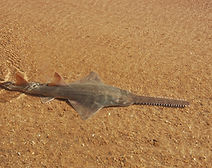

Spirit Lake Rainbow Trout

Do you remember Mt. St. Helens? The famous 1980 eruption created a unique opportunity to collaborate on a study of ecological succession in the rainbow trout. The Current Archives lab is using otoliths (ear stones) to uncover how the rainbow trout adapted to a post eruption landscape.
Research Methods
Highlights from our recent fieldwork and lab research
